Anyone who’s ever visited a place after reading about it knows how enriching it can feel.
For example, Americans who visit Independence Hall can better visualize the signing of the Declaration of Independence. Those who retrace the steps of the Lewis and Clark expedition can better appreciate the hardships and wonders of that epic journey.
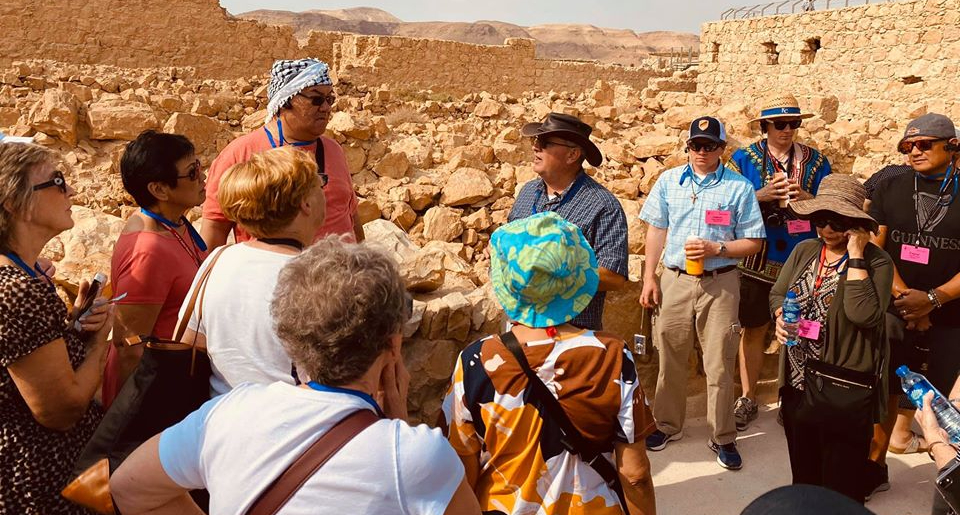
For Catholics, going on a pilgrimage can have the same effect. Jim Schlegel, a St. Mary Mokena parishioner who journeyed on two pilgrimages to the Holy Land with his wife, Kathy, describes it as putting “into perspective how far Jesus and his disciples would walk. Those were great distances, like walking from Milwaukee to Mokena.”
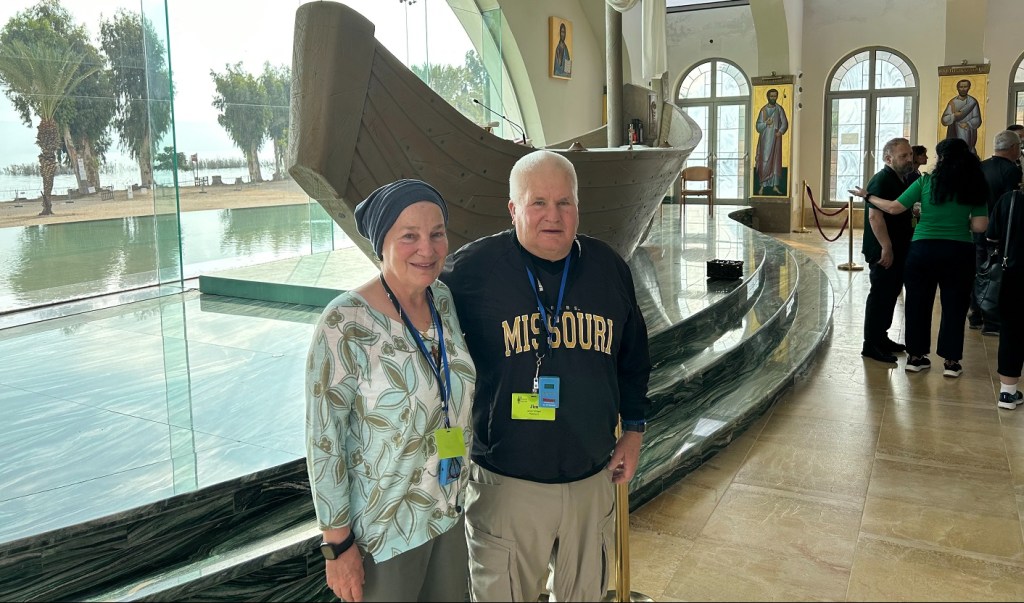
Walking the land where Jesus walked offers an eye-opening glimpse of how perilous Mary’s journey to her cousin Elizabeth would have been, or how excruciating it would have been to carry a cross to Calvary.
“A Catholic pilgrimage is a spiritual and physical journey to churches, shrines, and other holy places where faith and a devotion to God and/or our Blessed Mother is fostered,” explains Fr. Dindo Billote, pastor of St. Mary Mokena, who has led several pilgrimages to the Holy Land, Rome, Fatima, and beyond. “Pilgrimages are powerful experiences!”
What Makes a Pilgrimage?
Christians have been going on pilgrimages almost since the time of the Apostles. The first pilgrimage that made headlines, so to speak, was St. Helena’s journey to the Holy Land in the fourth century, where she reportedly found the True Cross that had held Christ. Around the same time, St. Jerome was actively encouraging pilgrims to visit biblical holy sites.
The practice grew in the centuries that followed. When safe passage to the Holy Land was interrupted by Muslim conquerors during the Middle Ages, alternative pilgrimage sites became popular, such as Rome, Canterbury, or the Camino de Santiago in Spain.

Today, pilgrimage sites exist worldwide. Some center around Marian apparitions, like Our Lady of Guadalupe or Lourdes. Others have a sacred picture or relic, like the painting of Our Lady of Czestochowa in Poland or the Shroud of Turin in Italy. “All Catholic pilgrimage sites bear in common the presence of the sacred,” says Fr. Dindo. “We travel in the footsteps of Jesus and Mary.”
It’s Not a Vacation
During the Middle Ages, pilgrimages were often given out as penances because of how difficult they were. Pilgrims would sometimes walk hundreds of miles barefoot while fasting and praying the entire time.
Even their clothes were simple.
“…the dress of the medieval pilgrim consisted of a loose frock or long smock, over which was thrown a separate hood with a cape…On his head, he wore a low-crowned, broad-brimmed hat…” (Jarrett, 1911)*
It’s possible that many pilgrims returned home utterly exhausted and emaciated.
Today, pilgrimages typically aren’t this intense, but they should not be confused with vacations. Helen Sluis, who went to the Holy Land on a pilgrimage with her husband, put it this way: “Pilgrimages are fun, but they’re not for fun.”
She explained that “a pilgrimage is God-centered. You go there to understand more about Jesus and where He was. You’re praying and looking at these sites with different eyes than you would on a vacation.”
Pilgrimages are fun, but they’re not for fun.
-Helen Sluis
Jim Schlegel echoes that thought. “You’re not visiting the churches like a tourist. You’re often spending 40 minutes praying at the sites.”

According to Fr. Dindo, “The difference between a pilgrimage and a regular tour is that on a pilgrimage you are Led by a Catholic priest, with daily Mass and daily Rosary and other prayers.” He continues, “Although we hire professional tour guides to give the detailed city tour of each place we visit, the pilgrimage focuses on the significance of the holy sites in terms of our Catholic faith.”
For example, when pilgrims from St. Mary Mokena visited the Holy Land in 2019, they took turns carrying a large wooden cross on the actual road to Calvary that Christ walked. “It was a very moving experience,” recalls Helen Sluis.

“I…loved going to the Holy Sepulcher and celebrating Mass in the tomb where Jesus was buried and Resurrected,” says Meghan Bomba, another St. Mary pilgrim. “That was a very special privilege for our group and not something most groups get to experience.”
Activities like these help pilgrims place themselves, both mentally and physically, where Jesus was to give them a new and enriched understanding of the Gospels.
Building Faith & Fellowship
Although everyone’s pilgrimage experience is unique and each encounters God in their own way, most pilgrims report feeling closer to God and their group by the time it ends.
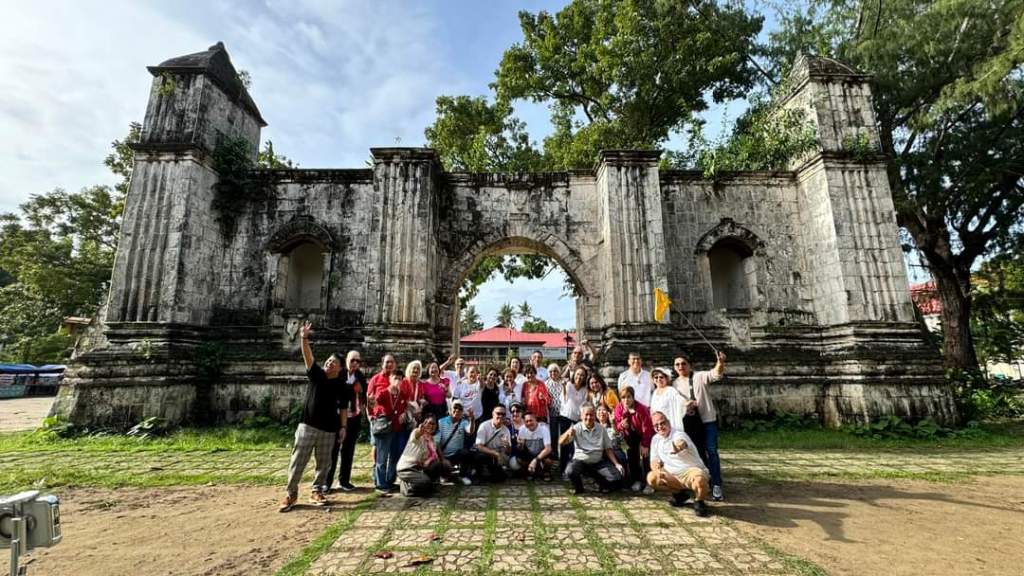
By witnessing pilgrims from various cultures and walks of life seeking God, Kathy Schlegel gained fresh insight into the faith that unites Catholics worldwide. “I felt more community with the church overall,” she explains. “It is so international, and everyone is supportive of one another. It has made me feel more part of the Body of Christ.”
It has made me feel more part of the Body of Christ.
-Kathy Schlegel
Helen Sluis echoes this sentiment. “The spiritual comradery and being together with people you know is great,” she says. “It was a really nice experience saying the Rosary and having Mass in all these places. You just appreciate your faith when you realize that it really was here. Jesus did walk this ground. It increases your appreciation for God in your life.”
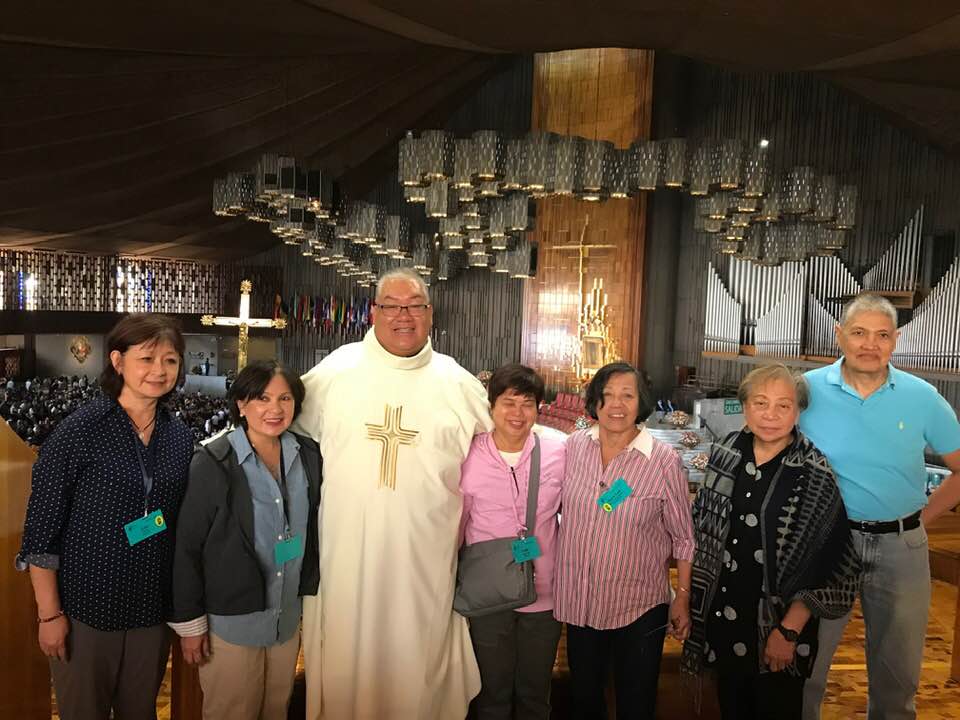
Meghan Bomba’s Holy Land pilgrimage sprouted new friendships. “I still have strong connections to my small group members to this day,” she says. “It was so special to share these memories with other Catholics and to be able to share my faith with others.”
There is perhaps no better evidence for the power of a pilgrimage than when a pilgrim goes on one again, and again, and again. The 2019 St. Mary pilgrimage was Helen Sluis’ third to the Holy Land, and she would love to go again. Jim and Kathy Schlegel have gone on even more pilgrimages to different Holy sites.
Joining a Pilgrimage
If you feel called to go on a pilgrimage, you can go independently or with a group. The benefit of going with a group is that everything is scheduled and taken care of—from transportation, to navigation, to meals and lodging—so you can focus 100% on God.
Another benefit is the comradery you will build with other group members. Encountering Christ together and sharing these wonderful experiences enriches the pilgrimage in a way you won’t find by going on your own.
If this sounds appealing, you don’t need to wait long. Fr. Dindo will lead a 12-day pilgrimage to Portugal, Spain, and France from October 21 to November 1, 2024. The pilgrimage will include visits to Fatima, Lourdes, and Santiago de Compostela, which are some of the holiest Catholic sites on earth.
*Jarrett, B. (1911). Pilgrimages. In The Catholic Encyclopedia. New York: Robert Appleton Company. http://www.newadvent.org/cathen/12085a.htm
 The Mokena Marian